Emotionally Intelligent AI for Health Tracking - 2025
Designing the Next Generation of Smart Devices
A research framework for AI-driven health partners that prioritizes mental well-being
over rigid metrics, mitigating anxiety and notification fatigue
My Role
UX Researcher & Designer
Mixed-Methods Research, User Segmentation, Adaptive AI Framework
Team
Me (UX Researcher)
Rhea Mittal
Jacob Galyean
Shruti Ramugade
Lizeth Quinones Gamez
Timeline
16 Weeks
Overview
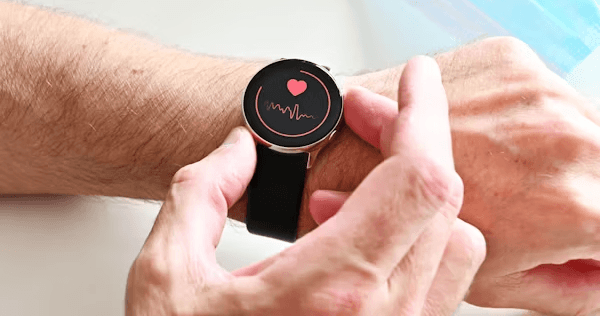
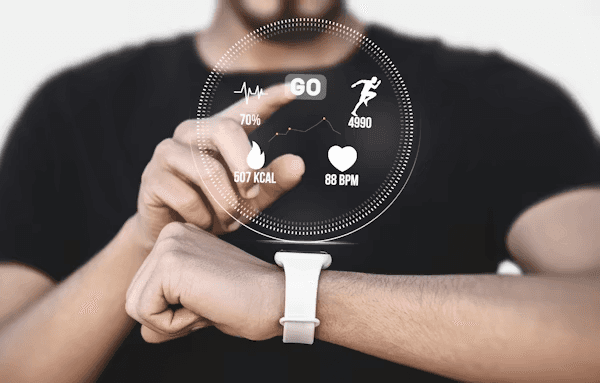
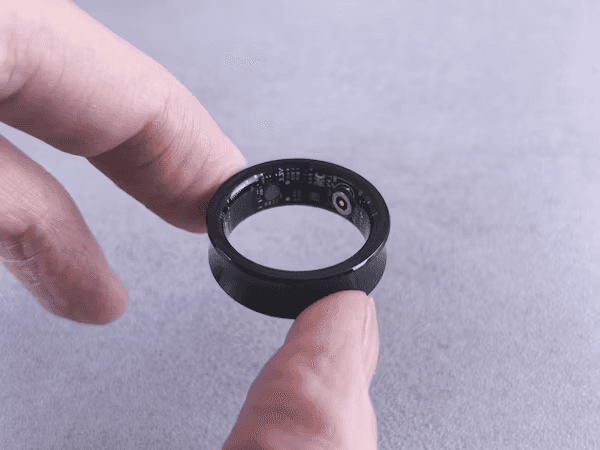
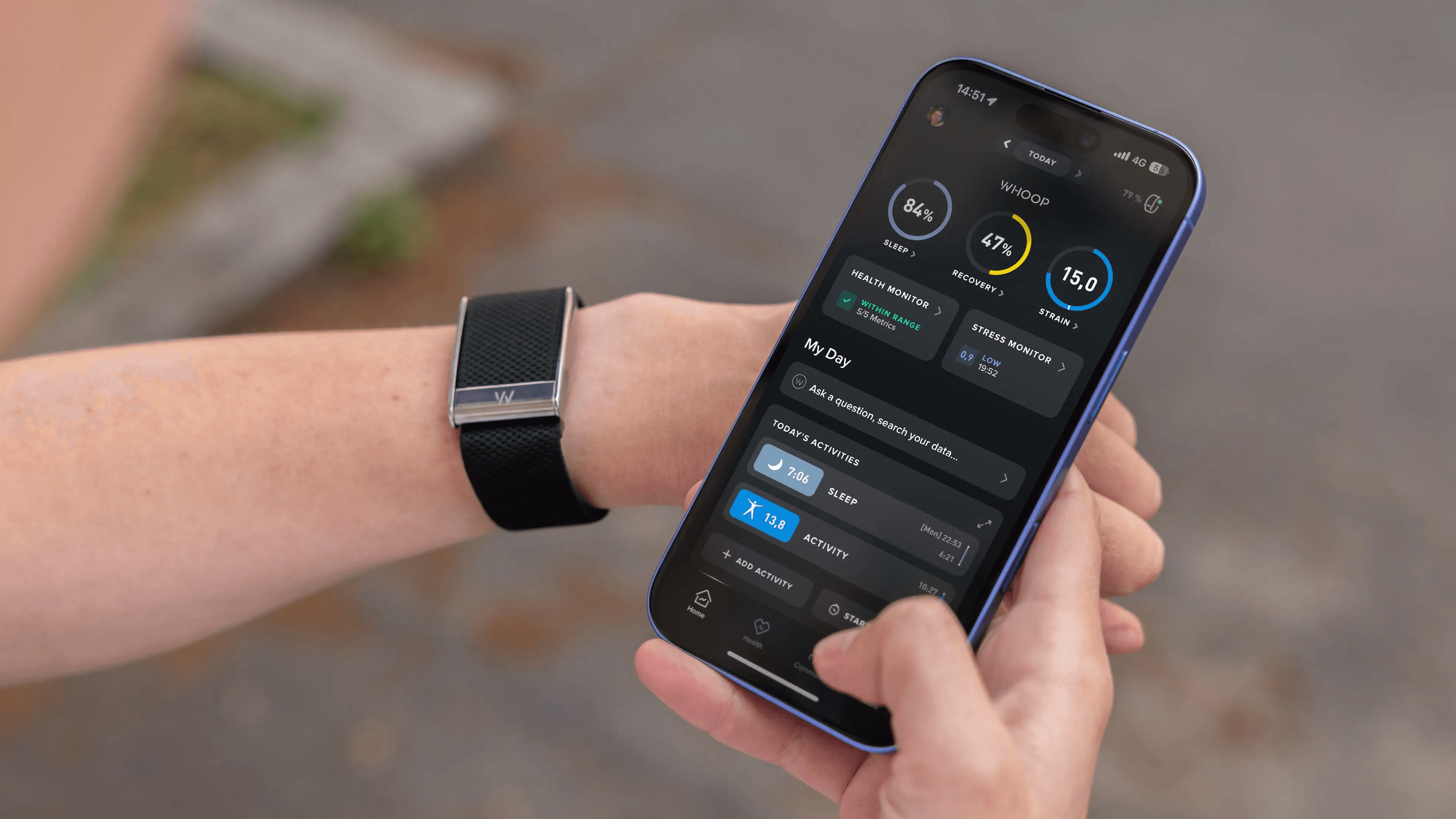
I helped lead a comprehensive research initiative investigating why traditional wearable technology fails to foster long-term behavioral change.
By uncovering the "context gap" between raw data collection and a user’s emotional reality, our team proposed a new framework for emotionally intelligent AI.
This framework replaces "robotic" notifications with context-aware intelligence, adaptive goal setting, and narrative gamification to create a supportive, holistic health partnership.
✨
HIGHLIGHTS
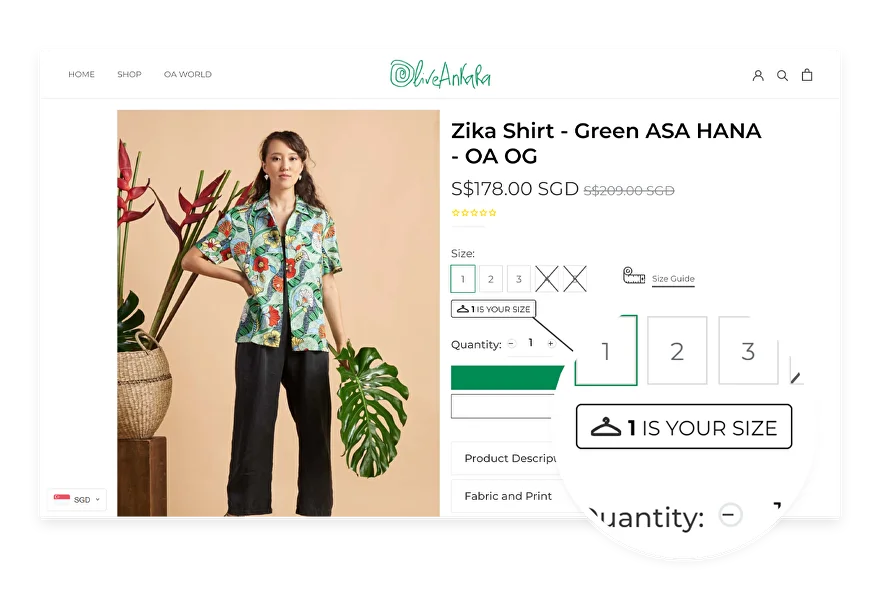
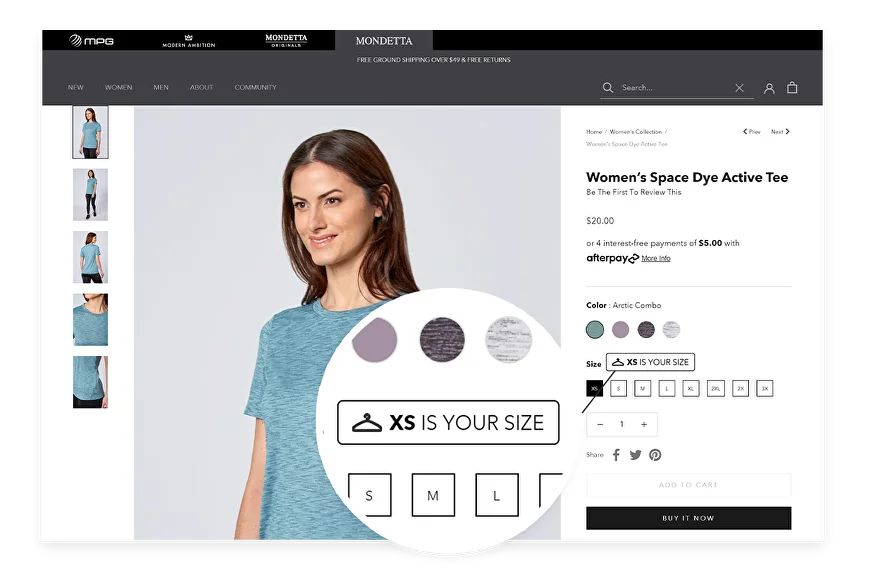
Transforming complex backend configuration into an intuitive, no-code merchant experience


✨
CONTEXT
The Gap Between Data and Action
A market saturated with metrics but failing at behavioral change
Current devices suffer from a rigid, "robotic" interaction style that ignores the user's real-world context like stress, illness, or busy schedules. This leads to:
Notification Fatigue:
Reminders to "stand up" often arrive during stressful meetings, causing frustration rather than motivation.
Negative Psychological Impact:
Rigid tracking creates fear of obsession, body dysmorphia, and guilt over missed goals.
Device Abandonment:
Initial excitement fades into annoyance because "the AI feels like a robot... It doesn’t know me".
✨
THE PROBLEM STATEMENT
How might we design AI-driven devices that
move beyond passive tracking to become emotionally intelligent partners in health?
✨
RESEARCH AND DISCOVERY
Turning Raw Data into Emotional Intelligence
Utilizing a mixed-methods approach to uncover the root causes of device abandonment
We utilized a mixed-methods approach combining quantitative and qualitative data to understand the root causes of device abandonment and the psychological factors of adoption:
Quantitative Survey:
Distributed to 120 global participants to identify usage patterns and correlations between device ownership and activity levels
In-Depth Interviews:
Conducted 36 semi-structured interviews across diverse age groups.
Advanced Data Analysis:
Synthesized emotional pain points utilizing Chi-square tests, Spearman rank-order correlation, and affinity mapping.
✨
USER SEGMENTATION
Three Distinct Behavioral Archetypes
Identifying the specific needs and pain points across diverse user groups
We identified three specific user groups to guide our AI framework:
Active Users:
Motivated by visual streaks, but frustrated by hardware discomfort and data inaccuracy.
Non-Users:
Physically active but reject tracking due to fear of obsession and guilt over missed goals.
Inactive Users:
Owned devices but abandoned them due to notification fatigue and lack of emotional intelligence.
✨
CRITICAL INSIGHTS
Numbers Don't Motivate, Context Does
Discovering the desire for narrative and the hidden dangers of metric fixation
Demographics vs. Motivation:
While younger women are high adopters, they are highly vulnerable to negative psychological impacts like disordered eating due to rigid calorie tracking, whereas older adults find current interfaces too medical or intrusive.
The Desire for Narrative Over Numbers:
Raw metrics fail to engage non-users. Participants expressed a strong desire for narrative gamification; framing a walking goal as a journey “from Gondor to Mordor” is far more motivating than a generic step count.
✨
THE SOLUTION
The Three Pillars of Adaptive AI
A strategic framework focused heavily on Emotional Intelligence
Based on our findings, we proposed a strategic framework replacing "robotic" notifications with context-aware intelligence, adaptive goal setting, and narrative gamification:
Context-Aware Intelligence:
The AI integrates with the user’s calendar and biometric stress indicators to suppress generic prompts during high stress. Crucially, if the user is sick, the device automatically adapts its notifications and goals to prevent guilt.
Adaptive Goal Setting:
Moving away from the static "10,000 steps" rule, the AI learns the user's weekly rhythm. It sets higher goals on active days and maintenance-level goals on busy workdays to ensure achievable success without pressure.
Narrative Gamification:
We engaged "Past Users" and "Non-Users" by integrating physical activity with entertainment platforms. Movement unlocks narrative progress in a story, shifting the focus from body image to game progression.
BUSINESS IMPACT
By empathizing with both merchants and shoppers, the redesign delivered massive business value for major brands like Zalora, Pomelo Fashion, and Planet Sports
✨
IMPACT & CONCLUSION
Designing for Mental Well-Being
Evolving from novelty gadgets into long-term health partners
For smart devices to evolve from novelty gadgets into long-term health partners, they must prioritize emotional flexibility over rigid data tracking.
By implementing transparent data use, contextual awareness, and adaptive goals, future devices can mitigate the anxiety and "notification fatigue" that currently drive abandonment.
Ultimately, health tracking must utilize inclusive design to support mental well-being rather than creating fixation or guilt.
Quantitative Survey:
Distributed to 120 global participants to identify usage patterns and correlations between device ownership and activity levels
In-Depth Interviews:
Conducted 36 semi-structured interviews across diverse age groups.
Advanced Data Analysis:
Synthesized emotional pain points utilizing Chi-square tests, Spearman rank-order correlation, and affinity mapping.
✨
LEARNINGS
Designing for Dual Users
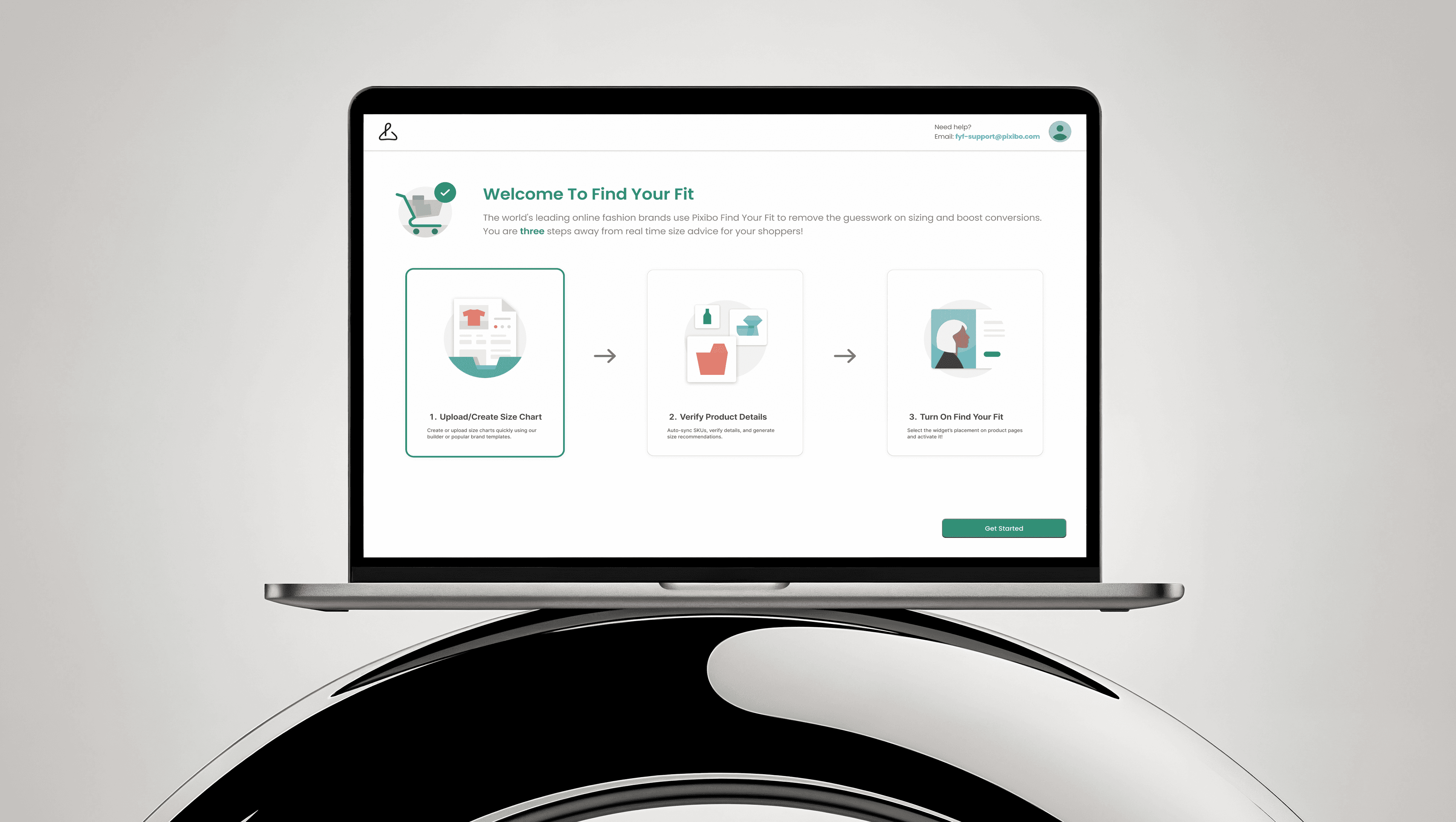

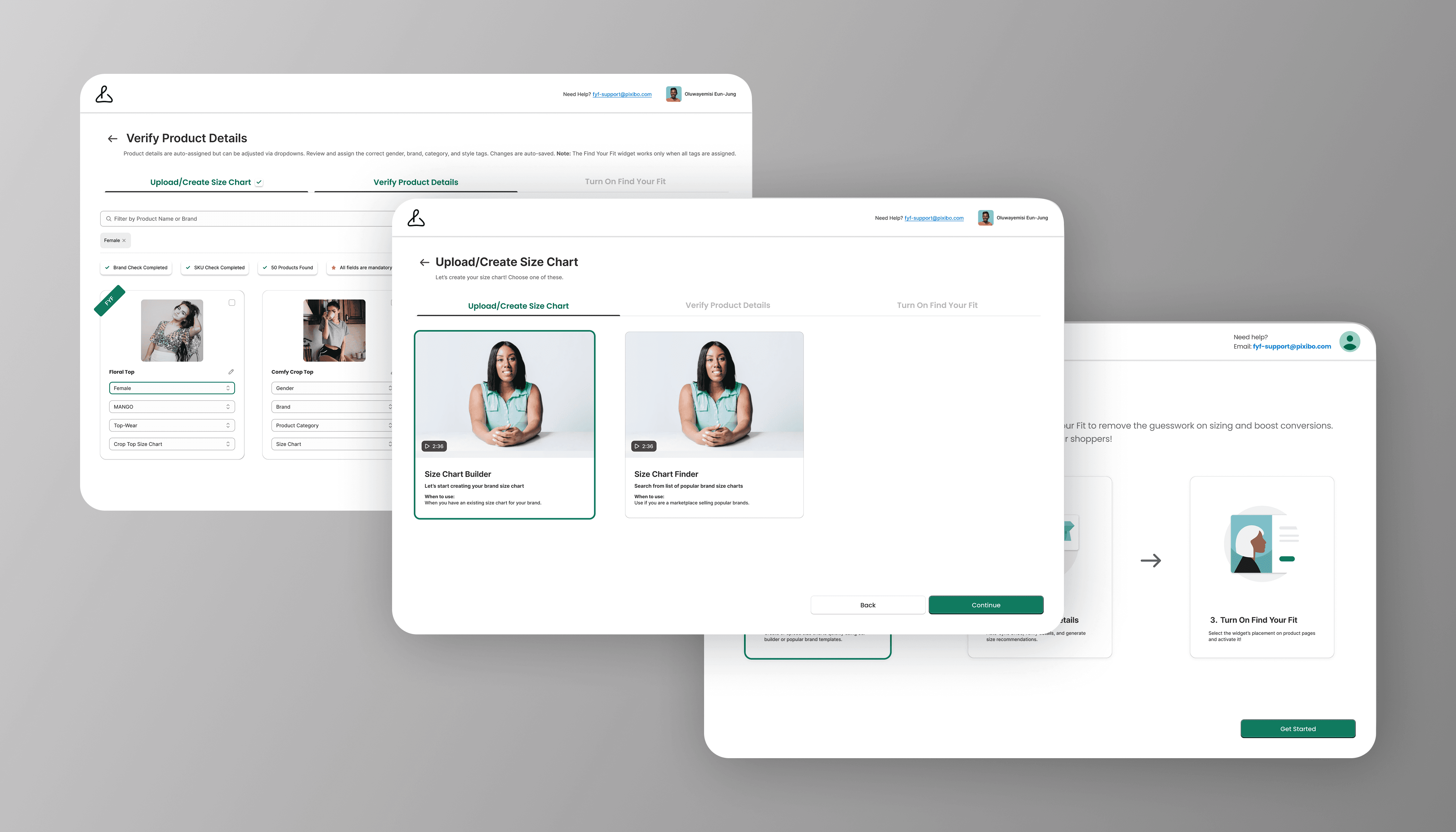
Pilot first, data next, insights always
Listen First:
Conducting heuristic reviews and interviews early set the right direction for the architecture.
Design for Trust:
Transparency, progress indicators, and friendly copy built merchant confidence to use the tool.
Collaborate with Devs Early:
Working closely with engineering during the ideation phase ensured our designs were both scalable and technically feasible.
Back to Top

Hi
Your next UX designer is one email away 😇
I’m currently open for full time roles and collaborations where I can bring user-centered magic to the table ✨
Made with 💖 and 🍵 by Nandini © 2026
Emotionally Intelligent AI for Health Tracking - 2025
Designing the Next Generation of Smart Devices
A research framework for AI-driven health partners that prioritizes mental well-being
over rigid metrics, mitigating anxiety and notification fatigue
My Role
UX Researcher & Designer
Mixed-Methods Research, User Segmentation, Adaptive AI Framework
Team
Me (UX Researcher)
Rhea Mittal
Jacob Galyean
Shruti Ramugade
Lizeth Quinones Gamez
Timeline
16 Weeks
Overview
I helped lead a comprehensive research initiative investigating why traditional wearable technology fails to foster long-term behavioral change.
By uncovering the "context gap" between raw data collection and a user’s emotional reality, our team proposed a new framework for emotionally intelligent AI.
This framework replaces "robotic" notifications with context-aware intelligence, adaptive goal setting, and narrative gamification to create a supportive, holistic health partnership.
✨
HIGHLIGHTS
Transforming complex backend configuration into an intuitive, no-code merchant experience
✨
CONTEXT
The Gap Between Data and Action
A market saturated with metrics but failing at behavioral change
Current devices suffer from a rigid, "robotic" interaction style that ignores the user's real-world context like stress, illness, or busy schedules. This leads to:
Notification Fatigue:
Reminders to "stand up" often arrive during stressful meetings, causing frustration rather than motivation.
Negative Psychological Impact:
Rigid tracking creates fear of obsession, body dysmorphia, and guilt over missed goals.
Device Abandonment:
Initial excitement fades into annoyance because "the AI feels like a robot... It doesn’t know me".
✨
THE PROBLEM STATEMENT
How might we design AI-driven devices that
move beyond passive tracking to become emotionally intelligent partners in health?
✨
RESEARCH AND DISCOVERY
Turning Raw Data into Emotional Intelligence
Utilizing a mixed-methods approach to uncover the root causes of device abandonment
We utilized a mixed-methods approach combining quantitative and qualitative data to understand the root causes of device abandonment and the psychological factors of adoption:
Quantitative Survey:
Distributed to 120 global participants to identify usage patterns and correlations between device ownership and activity levels
In-Depth Interviews:
Conducted 36 semi-structured interviews across diverse age groups.
Advanced Data Analysis:
Synthesized emotional pain points utilizing Chi-square tests, Spearman rank-order correlation, and affinity mapping.
✨
USER SEGMENTATION
Three Distinct Behavioral Archetypes
Identifying the specific needs and pain points across diverse user groups
We identified three specific user groups to guide our AI framework:
Active Users:
Motivated by visual streaks, but frustrated by hardware discomfort and data inaccuracy.
Non-Users:
Physically active but reject tracking due to fear of obsession and guilt over missed goals.
Inactive Users:
Owned devices but abandoned them due to notification fatigue and lack of emotional intelligence.
✨
CRITICAL INSIGHTS
Numbers Don't Motivate, Context Does
Discovering the desire for narrative and the hidden dangers of metric fixation
Demographics vs. Motivation:
While younger women are high adopters, they are highly vulnerable to negative psychological impacts like disordered eating due to rigid calorie tracking, whereas older adults find current interfaces too medical or intrusive.
The Desire for Narrative Over Numbers:
Raw metrics fail to engage non-users. Participants expressed a strong desire for narrative gamification; framing a walking goal as a journey “from Gondor to Mordor” is far more motivating than a generic step count.
✨
THE SOLUTION
The Three Pillars of Adaptive AI
A strategic framework focused heavily on Emotional Intelligence
Based on our findings, we proposed a strategic framework replacing "robotic" notifications with context-aware intelligence, adaptive goal setting, and narrative gamification:
Context-Aware Intelligence:
The AI integrates with the user’s calendar and biometric stress indicators to suppress generic prompts during high stress. Crucially, if the user is sick, the device automatically adapts its notifications and goals to prevent guilt.
Adaptive Goal Setting:
Moving away from the static "10,000 steps" rule, the AI learns the user's weekly rhythm. It sets higher goals on active days and maintenance-level goals on busy workdays to ensure achievable success without pressure.
Narrative Gamification:
We engaged "Past Users" and "Non-Users" by integrating physical activity with entertainment platforms. Movement unlocks narrative progress in a story, shifting the focus from body image to game progression.
BUSINESS IMPACT
By empathizing with both merchants and shoppers, the redesign delivered massive business value for major brands like Zalora, Pomelo Fashion, and Planet Sports
✨
IMPACT & CONCLUSION
Designing for Mental Well-Being
Evolving from novelty gadgets into long-term health partners
For smart devices to evolve from novelty gadgets into long-term health partners, they must prioritize emotional flexibility over rigid data tracking.
By implementing transparent data use, contextual awareness, and adaptive goals, future devices can mitigate the anxiety and "notification fatigue" that currently drive abandonment.
Ultimately, health tracking must utilize inclusive design to support mental well-being rather than creating fixation or guilt.
Quantitative Survey:
Distributed to 120 global participants to identify usage patterns and correlations between device ownership and activity levels
In-Depth Interviews:
Conducted 36 semi-structured interviews across diverse age groups.
Advanced Data Analysis:
Synthesized emotional pain points utilizing Chi-square tests, Spearman rank-order correlation, and affinity mapping.
✨
LEARNINGS
Designing for Dual Users
Pilot first, data next, insights always
Listen First:
Conducting heuristic reviews and interviews early set the right direction for the architecture.
Design for Trust:
Transparency, progress indicators, and friendly copy built merchant confidence to use the tool.
Collaborate with Devs Early:
Working closely with engineering during the ideation phase ensured our designs were both scalable and technically feasible.
Back to Top
Hi
Your next UX designer is one email away 😇
I’m currently open for full time roles and collaborations where I can bring user-centered magic to the table ✨
Made with 💖 and 🍵 by Nandini © 2026